Designing Sleep-Friendly Bedrooms: A Practical Guide to Lighting, Acoustics, and Layout
A thoughtfully designed sleep space is more than a stylish backdrop; it’s a daily ally in rest, recovery, and productivity. This guide distills architectural clarity, interior strategy, and sleep science into actionable steps you can apply at home—without reliance on specific products. We explore lighting that supports circadian rhythms, acoustic decisions that quiet the mind, and room layouts that cultivate calm and breathable space.
I. Lighting for Better Sleep
Light shapes our biology. The color temperature and intensity of lighting as evening approaches signal the body to wind down, while daylight cues help us wake with purpose. A well-lit plan balances function with mood, enabling tasks when needed and soft transitions as night falls.
Color temperature and spectrum
Warm, amber hues (roughly 2700K to 3000K) evoke a cozy, tranquil atmosphere suitable for winding down. Cooler whites (3500K to 5000K) are better suited for task-oriented activities. In a sleep-forward bedroom, favor warmer temperatures in the hours before bed and reserve the cooler spectrum for morning routines or study corners away from the sleeping area.
Dimming strategies and control
Dimmable lights with layered control outperform a single overhead fixture. Combine overhead illumination with bedside lamps and a programmable timer to gradually reduce brightness as you approach bedtime. Consider scenes that switch to low levels for late-night reading without glare.
Task lighting and bedside ergonomics
Bedside lighting should facilitate reading or gentle routines without creating a direct beam toward your sleeping area. Adjustable swings, wall-mounted sconces, or compact table lamps positioned to illuminate a page rather than your entire room help minimize wakeful interruptions.
II. Acoustic Design for Restful Rooms
Sleep quality is inseparable from the acoustic environment. Noise—whether from street traffic, neighbors, or HVAC systems—disrupts stages of sleep and can fragment rest. The goal is a calm soundtrack: soft, diffuse, and controllable.
Textile buffers and soft furnishings
Heavy drapery, layered window treatments, and plush textiles absorb reverberation and dampen sudden sounds. Consider heavy curtains for windows, a plush rug, and upholstered headboards or seating to soften reflections in a bedroom’s critical zones.
Doors, seals, and airflow
A door with a tight seal minimizes exterior noise ingress. Fit weather stripping if gaps exist, and ensure the room maintains a steady, comfortable temperature. Proper airflow supports both sound dampening and air quality, contributing to a more restorative night.
Sound masking and white noise
In some environments, a gentle, unobtrusive sound mask—a soft hum or white noise—can blur sporadic noises without becoming a distraction. The objective is a consistent auditory background that your brain learns to ignore over the course of the night.
III. Space Planning for Calm: Layout and Geometry
A bedroom’s layout should prioritize calm circulation, easy access to essentials, and a sense of breathable space. The geometry of a room—its lines, zones, and proportional relationships—affects how restful it feels and how easily one can maintain a tidy, low-stress environment.
Bed placement and focal points
Position the bed so you can enter from the side that best suits your routine, with a stable headboard support against the wall. A well-placed bed creates a natural anchor for the room while leaving space for nightstands, seating, and storage that read as a cohesive whole.
Clutter control and storage ergonomics
Clutter is a sleep antagonist. Design storage so that essential items reside near the bed (e.g., a current book, a glass of water, a charging station) and create clear pathways that invite quiet movement. Consider drawer-based nightstands or built-ins that minimize visible clutter while remaining functional.
Circulation and breathing space
Allow at least 36 inches of clear space around the bed for comfortable passage. A room that feels open—balanced by thoughtful accents and seasonal textiles—promotes a sense of ease when entering and settling in for rest.
IV. Evidence, Expertise, and the Designers Behind the Bedroom
Great sleep spaces emerge at the intersection of science, craft, and habit. The following three individuals, drawn from distinct eras, illuminate the enduring idea that good design and restful sleep are deeply connected to how we inhabit rooms, light them, and tune their acoustics.
-
Lucius Annaeus Seneca (c. 4 BCE–AD 65): Stoic philosopher and essayist who urged moderation, reflective living, and the cultivation of tranquil environments. Seneca’s counsel on limiting excess and shaping daily rituals resonates with designing sleep environments that favor predictable routines, quiet corners, and controlled stimuli at day’s end.
Key takeaway: Sleep-friendly spaces begin with disciplined beginnings and endings—rituals that cue the mind toward rest.
-
Frank Lloyd Wright (1867–1959): Icon of American architecture whose principles—harmony with nature, built-in systems, and attention to human-scale spaces—offer a framework for bedroom design. Wright’s insistence on integrating architecture with daily life translates into rooms that balance light control, acoustics, and ergonomics in ways that feel inevitable and soothing.
Key takeaway: A room’s rhythm—its proportions, textures, and connections to the outside world—profoundly influences sleep quality.
-
Naomi Wolf (b. 1962): Cultural critic and author whose work on wellness and societal expectations invites a broader look at how bedrooms function as personal sanctuaries. Wolf’s emphasis on context, privacy, and psychological health informs sleep-environment strategies that center user well-being and dignity in design decisions.
Key takeaway: Sleep spaces must respect personal boundaries and support restorative routines in a modern world of constant stimuli.
V. A Practical Implementation Kit
The following practical steps translate theory into concrete changes you can implement this month. Each step emphasizes non-promotional, information-rich guidance that helps you tailor a sleep-forward bedroom to your needs.
- Step 1: Audit light and color — Measure the color temperature of your current bulbs, and map a plan to shift toward warmer tones as evening approaches. If possible, introduce dimmers and zones for flexible light control.
- Step 2: Tame noise with textiles — Layer curtains, use a rug, and add soft underlayers to reduce echo. Consider a light-noise strategy that blends into your routine rather than dominates it.
- Step 3: Rebalance the layout — Review bed orientation, door clearance, and the proximity of nightstands. Create a simple, scalable layout that can adapt to seasonal changes in sunlight and temperature.
- Step 4: Build a ritual corner — Dedicate a small reading or journaling area away from the bed, reinforcing a bedtime routine that signals closure to the day.
- Step 5: Prioritize air and temperature — Maintain a consistent, comfortable temperature (generally around 60–67°F / 15–19°C for many sleepers) and ensure good airflow with a quiet fan or cross-ventilation when weather allows.
VI. A Case Study: Before and After—A Calm-Backed Bedroom in Practice
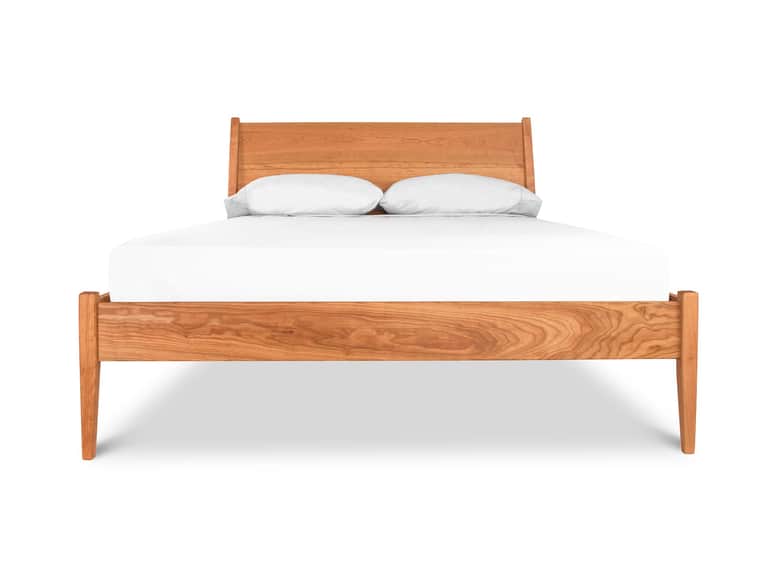
Consider a modest, sunlit bedroom that once carried a cluttered, high-contrast aesthetic. By applying the design principles outlined here, the room transforms into a sanctuary that supports focused mornings and restorative nights. The bed gains a grounded focal point with a solid headboard, lighting shifts to warm, dimmable layers, and textiles absorb sound while adding tactile warmth. The result: a space that reads as calm, organized, and sleep-ready, even when life around it remains hectic.
VII. Product Note: The Gallop Claret Bed Skirt
Texture, color, and structure often anchor a sleep-space mood. The Gallop Claret Bed Skirt from Wooded River embodies how a single textile detail can anchor a room’s palette and contribute to the room’s tactile rhythm. Its deeper crimson backdrop and plush finish offer a warm counterpoint to neutral bedding, balancing richness with restraint. It pairs well with western-inspired accents or more minimal, earthy palettes, deepening the bed’s silhouette while keeping under-bed storage accessible and tidy.
Gallop Claret Bed Skirt
The Gallop Claret Bed Skirt adds a refined, western-inspired touch to the bed set with a deeper crimson backdrop and a plush, cozy finish. This refined piece blends color and texture for a cohesive bedroom look and pairs easily with western-inspired accents.
Material: Chenille • Origin: Wooded River • Price: $246.00
Note: The Gallop Claret Bed Skirt is presented here as a case-in-point example of how textiles influence space perception and restfulness. All product details are illustrative for design discussion and do not constitute endorsements.
VIII. About Bedarchitect.com: A Sleep-Environment Resource
Bedarchitect.com positions itself as an Educational Resource for Sleep Environment Design. The site explores how lighting, acoustics, and room layout interact to shape sleep quality, offering guides, checklists, and practical room-planning templates. The focus remains product-agnostic to encourage homeowners, renters, students, and design enthusiasts to experiment with their own spaces without being corralled by commerce.
This editorial approach blends architectural clarity with interior design sensibilities, inspired by thinkers who shaped disciplines from urban planning to personal ergonomics. The project ethos emphasizes calm, longevity, and sustainable choices—materials, textures, and configurations that age gracefully with everyday use.
IX. A Lightweight SEO and Content Approach (Preview)
To help Bedarchitect.com reach readers seeking practical guidance on sleep-focused interiors, topics can include:
- Lighting plans that map to circadian health and daily routines
- Acoustics-backed room treatments and textile strategies
- Layout templates for small bedrooms, studios, and shared rooms
- Myth-busting pieces on sleep science and interior design
- Case studies with before/after diagrams and floor plans
Keywords to target include: sleep environment, bedroom lighting, acoustics for sleep, bedroom layout, sleep quality, and sleep hygiene.
X. A Note on Citations and Credibility
While historical figures illuminate timeless design principles, the content here remains anchored in practical, current guidance. Where sleep science is referenced, it adheres to established, accessible sources and is presented with careful framing to maintain approachability without sacrificing credibility.
XI. Want a 12-Month Content Calendar?
If you’d like, we can draft a 12-month content calendar for bedarchitect.com with topic ideas, formats, and a lightweight SEO framework calibrated to the site’s educational focus. The calendar would balance evergreen how-tos, explainer essays, and visual guides—paired with a cadence that supports consistent reader engagement.
Note: The Gallop Claret Bed Skirt product is displayed above as a referenced example from the provided product list. All product references are illustrative and should be consulted directly through the source catalog for current availability and pricing.