Lighting and Sleep: Designing a Bedroom for Restful Nights
A couture guide to how light shapes our circadian rhythm, and how to craft a bedroom that reads as both sanctuary and stage for a truly restorative night. From daylight choreography to warm, intimate evenings, this is the art of setting a sleep-friendly scene with intention, texture, and subtle technology.
The Science of Light and Sleep: A Quiet Revolution
Sleep is not merely a passive state but a performance choreographed by light. Our bodies are guided by circadian rhythms, the internal clock that aligns our physiology with the 24-hour day. The maestro of this clock is a tiny region in the brain known as the suprachiasmatic nucleus (SCN), which reads signals from light exposure to regulate hormonal rhythms, core body temperature, and alertness. When daylight floods in, the SCN signals the body to stay awake and alert; as dusk approaches, melatonin—the hormone that invites sleep—begins to rise, signaling rest. In this delicate dance, the color and intensity of light matter as much as the duration of exposure.
Modern lighting technology has given us extraordinary control over how we experience the day’s arc. Light-emitting diodes (LEDs) now offer precise color temperatures that can mimic natural transitions from bright, blue-rich daylight to warm, amber twilight. The field of chronobiology has shown repeatedly that blue wavelengths, common in daylight and many electronic displays, suppress melatonin and delay sleep onset. Conversely, warm, low-intensity light helps invite the body toward a state of relaxation. In a world of schedules and screens, cultivating a sleep-friendly lighting plan is an act of intimate self-care and architectural design.
Keywords to keep at the ready: circadian rhythm, melatonin, color temperature, blue light hazard, dimming, and smart lighting. When these ideas converge in a bedroom, we are no longer simply lighting a space—we are scripting a nightly ritual that respects biology and beauty alike.
- Circadian rhythm: The 24-hour cycle that governs sleep-wake patterns and hormonal fluctuations.
- Melatonin: A hormone that rises in darkness to promote sleep; its production can be delayed by blue-enriched light.
- Color temperature: Measured in kelvin (K); cooler light (around 4000–6500K) feels alert, warmer light (2700–3000K) feels relaxed and intimate.
- Blue light exposure: Predominant in daylight and many screens; mitigated with warmer lighting in the evening or by wearing filters at night.
- Layered lighting: A strategy combining ambient, task, and accent lights to support the sleep cycle without glare or disruption.
Daylight as the Designer: Harnessing Natural Light
Daylight is the ultimate designer—the most honest, dynamic, and health-supporting light source we have. The body’s alertness peaks with morning sun and gradually tapers as daylight wanes. To leverage daylight for restful nights, design matters as much as geometry. Window placement, shading, and ceiling height can transform a room from a cave to a stage where morning brightness feels gentle, not aggressive.
Practical steps to invite daylight without glare:
- Maximize diffuse daylight by using sheer draperies or frosted glazing that scatters sunlight gently across surfaces.
- Install light shelves or reflective surfaces to bounce daylight deeper into the space, reducing the need for artificial lighting in the daytime.
- Consider window orientations and potential glare; if the bed faces a sunlit window, use adjustable shades or motorized blinds that can soften morning rays without completely blocking natural light.
- Incorporate light-colored walls and textiles to reflect daylight, creating a bright, buoyant mood in the morning and a calm, airy feel throughout the day.
When morning light arrives, the body should feel welcomed rather than overwhelmed. A well-calibrated daylight strategy helps prime alertness for daytime activities while preparing the body for a smoother transition to night.
Evening Illumination: Warmth Over Brightness
As the sun sinks, the bedroom’s lighting must tell a different story. The evening palette should lean toward warmth, softness, and a gradual deceleration of intensity. The color temperature of your evening light should drift into the 2700–3000K range, a range that fosters relaxation and signals the brain that it’s time to wind down. This shift is not merely aesthetic; it is physiological choreography that helps the body prepare for sleep.
Beyond temperature, the brightness level should be intentionally dim. Use dimmers, table lamps, and low-glow wall sconces to create a cocoon-like ambiance. For late-night reading or tasks, choose warm task lighting with a color temperature around 2700K and a soft, diffused beam. If you use smart bulbs, program them to gradually transition to warmer tones as the evening unfolds, mimicking the natural sunset and easing the body toward rest.
Key guidelines for evening lighting:
- Aim for 2700–3000K as the default evening color temperature, with brightness dimmed to a comfortable, intimate level.
- Limit exposure to blue-rich light after dusk by choosing warm LEDs or applying amber filters to screens when possible.
- Create a single light zone for the bed area that can be controlled independently from other rooms, so you are never forced into bright, disruptive lighting at the moment you intend to sleep.
The Layered Lighting Plan: Ambient, Task, and Accent in Harmony
A layered approach to lighting is the most sophisticated way to achieve a room that supports both daytime function and nighttime repose. Think of three layers working in concert rather than competing for attention.
- Ambient lighting: The gentle, overall illumination that defines the room’s mood. This is your ceiling or hidden cove lighting that fills the space with a soft, even glow.
- Task lighting: Purposeful lighting for reading or intimate activities near the bed. A bedside wall light, a small architectural lamp, or a low-profile floor lamp should illuminate without creating unbearable glare.
- Accent lighting: Subtle highlights that bring depth to textures such as textiles, wood, and wall finishes. Use this sparingly to avoid visual noise and to preserve the room’s serenity.
Smart controls amplify the benefits of layering. Dimmers, motion sensors, and color-temperature schedules can automatically shift the room from a bright daytime environment to a warm, restful sanctuary as night approaches. The goal is a seamless, almost invisible transition that respects the body’s natural rhythms while preserving the room’s beauty and character.
When designing a layered plan, consider the flow of activities: waking moments in a bright, diffused glow; mid-day tasks under neutral white light; evening routines under warm, dim lighting. A thoughtful arrangement ensures that the lighting never competes with sleep but rather supports it as a natural companion to daily life.
Beyond Light: The Bedroom Environment That Supports Sleep
Light is a principal conductor, but it is not the only factor. A sleep-supportive bedroom is a sanctuary of sensory calm: soft textures, cool-to-warm color palettes, and a layout that minimizes disturbances. Consider the following elements as part of your sleep-health toolkit:
- Blackout curtains or blackout blinds to maintain total darkness when desired, especially for those who sleep during daylight hours or who are sensitive to morning glare.
- Electronics management: keep devices away from the bed and use charging docks with hidden cables to reduce electromagnetic and visual clutter.
- Color psychology: choose soothing tones—muted neutrals, warm cream, or soft pastels—that promote calm rather than stimulation.
- Sound management: textiles like layered rugs, heavy drapes, and upholstered headboards can dampen noise to reinforce a tranquil atmosphere.
- Thermal comfort: a cool bedroom tends to support better sleep. A breathable mattress and appropriate bedding layers help maintain an ideal microclimate.
When light, texture, and temperature align, the bedroom becomes a magazine-worthy stage for sleep—one that also remains aesthetically compelling during waking hours.
Furniture as Sleep Architecture: The Bed as a Health Partner
The bed is more than a resting platform; it is a primary interface with your sleep cycle. The form, material, and placement of a bed influence not only comfort but also the room’s lighting dynamics. Platform bed frames, with their low profiles and streamlined silhouettes, pair beautifully with both shadowed corners and soft, ambient lighting to create a restful environment. The right frame acts as a stage for the mattress and bedding, while also shaping how light interacts with the space—casting flattering shadows and creating intimate zones for reading, reflection, and unwinding.
Two exemplary options that fuse design with sleep practicality are below. While images cannot be displayed in this article, the textual details reveal why these pieces matter in a sleep-forward bedroom:
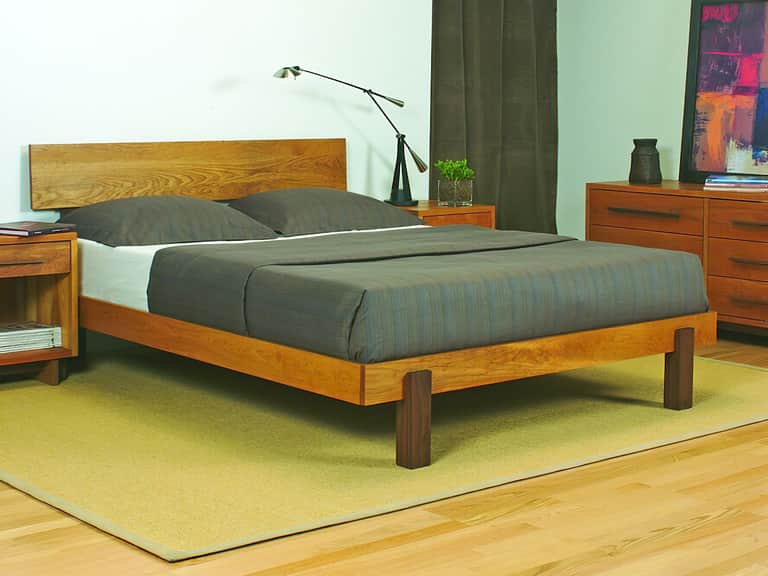
Vermont Furniture Designs Skyline Bed Frame
SKU: VFD-SKYLINEBED • Price: $1,934.00
Benchcrafted in Vermont from natural hardwoods, the Skyline Bed embodies clean, modern lines with a timeless hand-rubbed wax/linseed oil finish. A centerpiece for a healthy bedroom, it offers customization in cherry, maple, or walnut, and the mattress sits on a platform that minimizes the need for a box spring. Center supports on King and Cal King sizes provide robust stability, while the finish is VOC-free, reflecting a design philosophy that respects both beauty and well-being.
Key features: handmade in Vermont; solid hardwood construction; natural finish; available in multiple hardwoods; center supports for larger sizes; no VOC finish.
(Images not displayed in this format. Product link: View product)
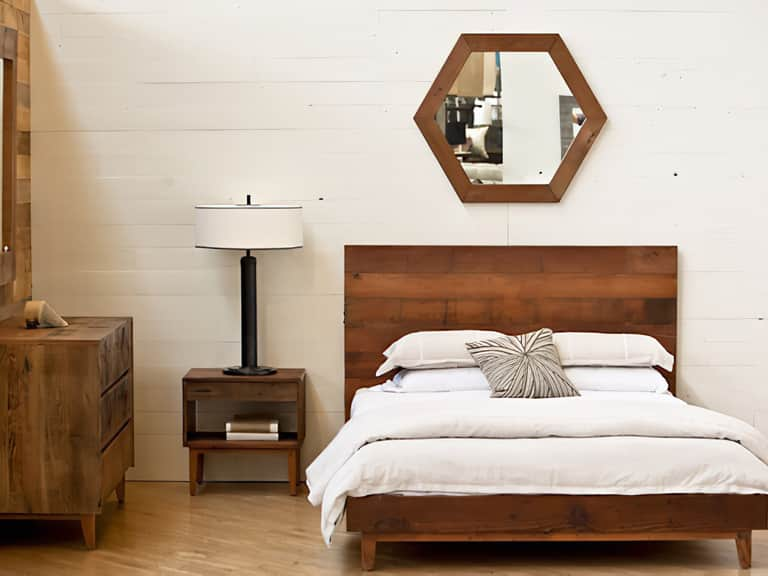
Urban Woods Wilshire Bed
SKU: wls-uw • Price: $2,000.00
Warm and inviting, this bed uses reclaimed wood and a headboard that makes a statement without overpowering the room. Finishes are water-based and low-VOC to keep indoor air clean, while the reclaimed character brings warmth and depth. Made by hand in Los Angeles, the Wilshire Bed is a durable, sustainable choice that ages beautifully with a natural patina.
Key features: reclaimed vintage wood; non-toxic water-based stains; USA-made; adaptable to modern or traditional interiors.
(Images not displayed in this format. Product link: View product)
These options exemplify how a bed frame can harmonize with a lighting strategy that favors restful evenings: low profiles that allow light to roam softly across surfaces, and natural materials that soften reflections and contribute to a calm, luxury ambiance. In the end, the bed is the heart of the room’s narrative—a place where light, texture, and breath become one.
Three Luminaries: Key Individuals Who Shaped Light and Sleep Across Time
To illuminate our cultural understanding of light and sleep, here are three pivotal figures from distinct eras—each contributing a thread to the tapestry of how we live with light.
Hippocrates (c. 460–370 BCE)
Often called the father of medicine, Hippocrates emphasized the intrinsic link between health and daily rhythms. In classical medicine, sleep was seen as a restorative process essential to balance and well-being. The ancient idea that rest supports healing persists in modern sleep medicine, reminding us that the bedroom is a clinical yet luxurious space for recovery. His legacy invites us to regard sleep as a sacred ritual rather than a passive state—an idea that informs how we design lighting for restorative outcomes.
Thomas Edison (1847–1931)
The industrial age’s color came alive with electric light. Edison didn’t just illuminate lives; he rewired the daily rhythm of society. The invention of practical electric lighting transformed homes from candlelit refuges into adaptable living spaces where mood, function, and light could be engineered with precision. In the context of sleep health, Edison’s era invites us to curate artificial light with intention—using dimmable, warm-toned sources to soften the boundary between day and night and support natural circadian cues rather than fight them.
Dr. Charles Czeisler (contemporary)
A leading figure in circadian biology, Dr. Czeisler has helped knit together sleep science with everyday living. His research on how light exposure, especially its timing and spectrum, influences sleep onset, duration, and quality has informed guidelines for both public health and private bedrooms. In contemporary design, his insights empower homeowners to deploy lighting that aligns with biology: daylight-inspired brightness in the morning and gradual warmth as night approaches, all managed through thoughtful, user-friendly controls.
These figures—from ancient physicians to modern scientists—demonstrate that light is not merely decoration; it is a language that communicates when to wake, when to rest, and how to inhabit our spaces with grace. Their legacies live in the way we shape a bedroom’s luminous landscape, ensuring beauty does not come at the expense of rest.
Putting It All Together: A Sleep-Forward Bedroom
A sleep-forward bedroom is a place where light tells a story: daylight is the opening act, warmth in the evening the closing scene, and the bed the quiet center around which all lighting decisions orbit. The goal is a space that looks effortless in the daylight and feels decadent at night—where every fixture, surface, and textile has been chosen to support restful nights without compromising style.
Practical steps to achieve this balance:
- Assess the room’s natural light: note where the sun enters and how it travels across the space through different times of day.
- Choose a layered lighting plan with dimmable ambient light, warm task lighting for reading, and subtle accent lighting to highlight textures without creating glare.
- Use color temperature strategically: brighter, cooler light for morning tasks; warmer, dim light for evening routines.
- Invest in a high-quality blackout solution if your sleep schedule requires it, and keep screens to a minimum in the bedroom to avoid blue light before bed.
- Ensure the bed and its surroundings are scaled to the room so that light has room to fall softly around you rather than creating harsh corners or reflections.
In the language of fashion and interiors—that Vogue sensibility—sleep is your ultimate accessory. The right lighting elevates a room from beautiful to transformative, granting you nights of deep rest and days of luminous, confident living.
Explore More About Sleep-Forward Design
For those seeking a tactile, design-forward bed that harmonizes with a health-driven lighting strategy, the Skyline Bed Frame from Vermont Furniture Designs offers a refined platform with a quiet, modern presence. Its solid hardwood construction and natural finish embody a calm luxury that pairs beautifully with warm, layered lighting to create a sleep sanctuary. Alternatively, the Wilshire Bed by Urban Woods brings warmth through reclaimed wood and eco-friendly finishes, aligning sustainable materiality with a softer, more intimate aesthetic.
Access product details and links below to begin assembling your sleep-focused bedroom. While images are not displayed in this format, the descriptions provide a clear sense of texture, scale, and presence to help you envision how these pieces would live with your lighting plan.
Vermont Furniture Designs Skyline Bed Frame
SKU: VFD-SKYLINEBED • Price: $1,934.00
A timeless platform centerpiece with a natural wax/linseed oil finish and customizable hardwoods. The skyline silhouette complements a layered lighting plan with soft ambient light reflecting off clean lines and warm textures.
Link: View product
(Images are not displayed in this article format.)
Urban Woods Wilshire Bed
SKU: wls-uw • Price: $2,000.00
Warm reclaimed wood, non-toxic finishes, and a hand-crafted presence that pairs beautifully with a bedroom’s warm evening glow and calm daylight diffusion.
Link: View product
(Images are not displayed in this article format.)