Foundations: The Bed as a Health-Enhancing Foundation
The bed is not merely furniture; it is a functional instrument for posture, alignment, and nightly recovery. Research into sleep health consistently signals that the quality of the sleep environment — from mattress support to headboard shape — exerts a measurable influence on how deeply we sleep and how refreshed we feel upon waking. The objective is not to chase trend but to curate a space where the body can settle into a gentle equilibrium.
When evaluating bed design for health, the conversation begins with the basics: mattress support, bed height, and the intended mattress type. A correctly matched foundation — whether platform or slatted — prevents unwanted sagging that can tilt the spine out of alignment. Headboard design matters too, not simply for style but for psychological comfort; a well-proportioned headboard can serve as a soft visual cue signaling the transition from daytime activity to nocturnal rest.
Yet healthful sleep also rises from the margins—the room’s atmosphere. Light, sound, and temperature are not afterthoughts but essential levers. A calming palette, gentle textures, and the thoughtful placement of furniture reduce cognitive arousal and promote a sense of safety and quiet. In the era of smart controllers and circadian lighting, the bedroom becomes a curated stage where technology supports, rather than disrupts, sleep.
The recommended option for bed-focused sleep health is a holistic approach: prioritize ergonomic support (bed height and mattress compatibility), embrace soft, controllable illumination for evenings, and cultivate a clutter-minimized environment that clearly signals rest. With this orientation, design decisions align with physiological needs, creating a space that is not only beautiful but truly restorative.
Three Timeless Perspectives on Sleep Spaces
From ancient clinics to modern studios, thinkers across centuries have underscored the connection between environment and well-being. Here are three key figures whose ideas still inform how we design sleeping spaces today.
Hippocrates (c. 460–370 BCE)
The father of medicine emphasized a rhythm to daily life and the environment as determinants of health. Although not a designer in the modern sense, his insistence on balance, regular routines, and a calm setting laid a philosophical groundwork for understanding how sleep fits into holistic well-being. In practice, this translates to a bedroom that respects circadian patterns: predictable routines, quiet corners, and spaces that invite repose after sunset.
In contemporary terms, Hippocrates’ ancient emphasis on balance echoes in the way we curate lighting, airflow, and quiet in the nightscape of a modern bedroom.
Florence Nightingale (1820–1910)
A pioneer of healthcare design, Nightingale championed environmental controls such as cleanliness, ventilation, and daylight in patient rooms. Her principles translated into a belief that a healthier environment can significantly influence recovery and well-being. In the sleep space, this translates to clean air, stable temperatures, and the quiet, predictable ambiance that supports easy transition into sleep.
Modern bedrooms borrow this ethos by prioritizing air quality, light management that supports melatonin production, and layouts that minimize stressors—elements Nightingale would recognize as foundational to restful rest.
Le Corbusier (1887–1965)
The Swiss-born pioneer of modern architecture argued for clarity, order, and daylight in living spaces. His ideas about proportion and functionalism influence how we lay out bedroom zones, allowing for uncluttered surfaces, strategic natural light, and human-centered scale. In sleep space design, Le Corbusier’s principles invite us to reduce visual noise, cultivate a serene horizon line, and let light respond to the body’s circadian needs.
Applying his influence today means choosing furniture with clean lines, ensuring circulation around the bed, and letting daylight and shadow define the room’s mood during waking hours—while reserving a dark, tranquil zone for sleep.
Practical Design Guidance for an Enduring Sleep Space
The following guidelines translate theory into tangible choices you can implement this weekend. They center on three pillars: the bed, the room’s atmosphere, and the layout that orders your day and night in harmony.
-
Bed height and mattress harmony: Select a bed height that places the sleeper’s hips within 2–4 inches of the edge of the mattress when seated. The goal is easy transitions from lying to sitting without overexertion. For many systems, platform bed frames offer low-profile elegance that subtly encourages a calmer, less intimidating breathing pattern at night. Ensure the foundation aligns with your mattress type to preserve spinal alignment and minimize motion transfer.
-
Headboard and focal point: A thoughtfully scaled headboard anchors the bed and reduces visual friction in the room. It should be comfortable to lean against while sitting up in bed and should complement the wall color and lighting plan. Materials that absorb sound and offer a gentle tactile presence can subtly enhance feelings of security and restfulness.
-
Lighting as a ritual: Implement layered lighting that shifts with the hours. Dim, warm lighting in the evenings supports melatonin production, while bright, cool light in the morning signals wakefulness. Consider blackout options for sleep and a soft night-light for late-night transitions that don’t jolt the nervous system.
-
Temperature and airflow: Cool, stable temperatures around 60–67°F (15–19°C) are widely associated with deeper sleep. Good airflow prevents stuffiness and fosters comfort. If the room layout or climate suggests variability, invest in climate control that can be set to a nightly rhythm.
-
Clutter control and storage: A bed with built-in storage or nearby storage that reduces visible clutter can lower cognitive load at bedtime. Calm, ordered surfaces and accessible drawers encourage a sense of predictability—an essential ingredient for rest.
-
Sound management: Evaluate ambient noise sources and consider white noise or soft background sounds to mask abrupt disruptions. If external sounds are persistent, strategic acoustic treatments or white-noise devices can help maintain sleep continuity.
-
Color and texture: Soft, muted palettes and tactile textures contribute to a serene atmosphere. Fabrics with memory and warmth—linen, cotton, and brushed wool—offer comfort without visual overstimulation.
Product Spotlight: Bed Frames as Sleep Partners
In the realm of sleep-focused bedroom design, the choice of platform bed frames can be as influential as the linens you tuck in at night. Below are two exemplary options that embody the blend of health-minded design and refined aesthetics. Each product embraces the idea that a bed should be a centerpiece of calm, function, and sustainability.
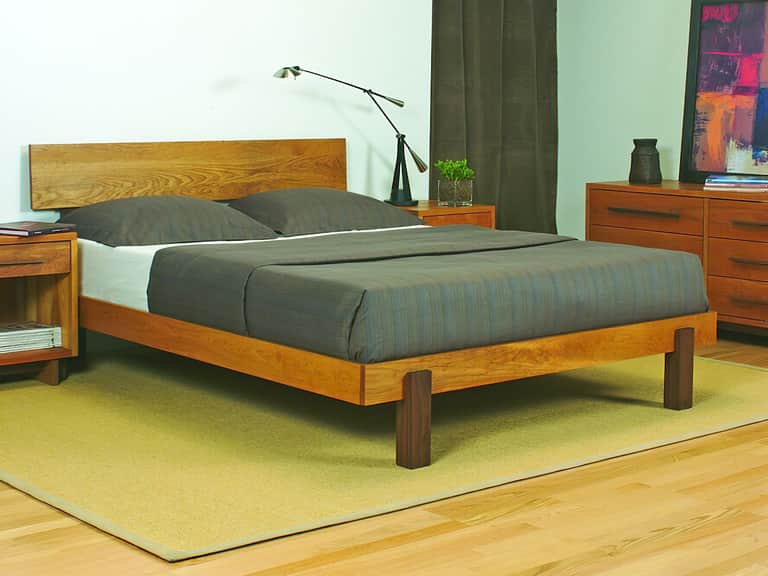
Vermont Furniture Designs Skyline Bed Frame
SKU: VFD-SKYLINEBED | Price: 1934.00
Benchcrafted in Vermont from natural hardwoods, the Skyline Bed is a fitting centerpiece for a healthy bedroom. The lines are clean and simple, and you can choose among cherry, maple, or walnut. Handcrafted by local artisans, it’s finished with a natural hand-rubbed wax and linseed oil, a choice that honors both beauty and environmental responsibility.
- Solid hardwood construction with a natural finish
- Available in cherry, maple, or walnut
- No VOC finish; water-based glues; complies with California standards
- Center supports on King and Cal King sizes; Queen size with a single center support
For those who want a blend of minimalist elegance and sturdy, long-term support, Skyline exemplifies a design ethic where form amplifies sleep health. Learn more about this bed and its craftsmanship through its product page.
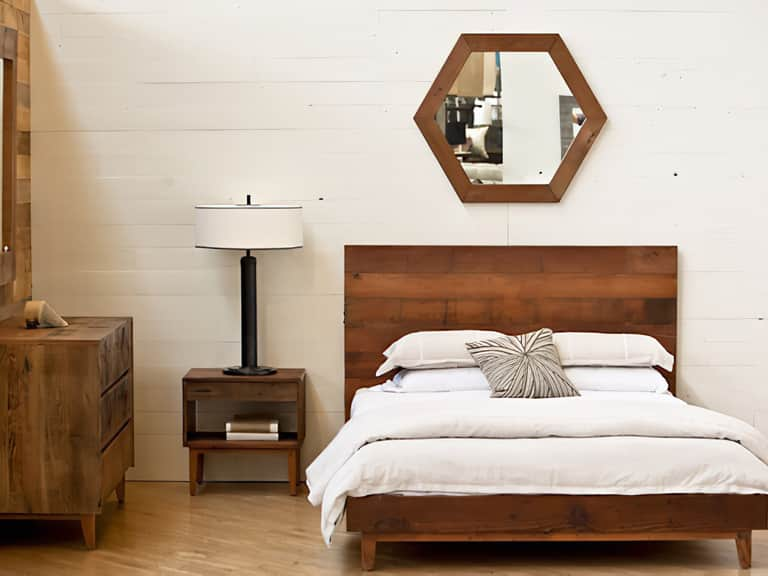
Urban Woods Wilshire Bed
SKU: wls-uw | Price: 2000.00
Warm and inviting, with a generously-sized headboard, the Wilshire Bed is crafted solely from reclaimed wood. Finished with water-based stains and low-VOC acrylics, it is designed to be non-toxic and eco-friendly. Handmade in Los Angeles, it celebrates sustainability without compromising on modern line and comfort.
- Made from reclaimed vintage wood
- Non-toxic, water-based finishes; low-VOC
- Made in the USA with attention to craft and detail
- Pairs gracefully with contemporary or traditional layouts
Wilshire embodies the intersection of responsible materials and timeless design—a bed that supports restful sleep while telling a story of environmental stewardship.
Note: In addition to the two highlighted options, the furniture category includes a spectrum of platform bed frames that vary by height, finish, and storage features. When selecting a bed, consider how its form works with your sleep posture, mattress choice, and room geometry. A well-chosen bed is an ally in nightly recovery, not a visual compromise.
Conclusion: Sleep Isn’t a Luxury; It’s a Practice
A bedroom curated for sleep is a canvas where science and style converge—where the bed’s design supports alignment and comfort, where lighting and temperature translate into calmer physiology, and where clutter exits stage left to let repose take center stage. The three figures we explored remind us that healthful spaces emerge from balance, rhythm, and intention. Hippocrates urged us to honor the body’s needs; Florence Nightingale taught us to design environments that heal; Le Corbusier showed us how proportion and daylight shape our daily lives. Today, we can translate these principles into a modern sleep sanctuary that is as luxurious as it is effective.
The bed and its surroundings should reflect a quiet confidence: a place where the body can surrender to rest, the mind can settle, and the day’s tensions dissolve. If you build your space with intention—select a bed that supports you, shape the lighting to ease you into night, and maintain a calm, organized room—you are not merely sleeping; you are investing in your health, mood, and future. In the Vogue of interior living, sleep is a virtue that deserves the highest design.